
Rent Agreement in Delhi & Noida: 11-Month Guide
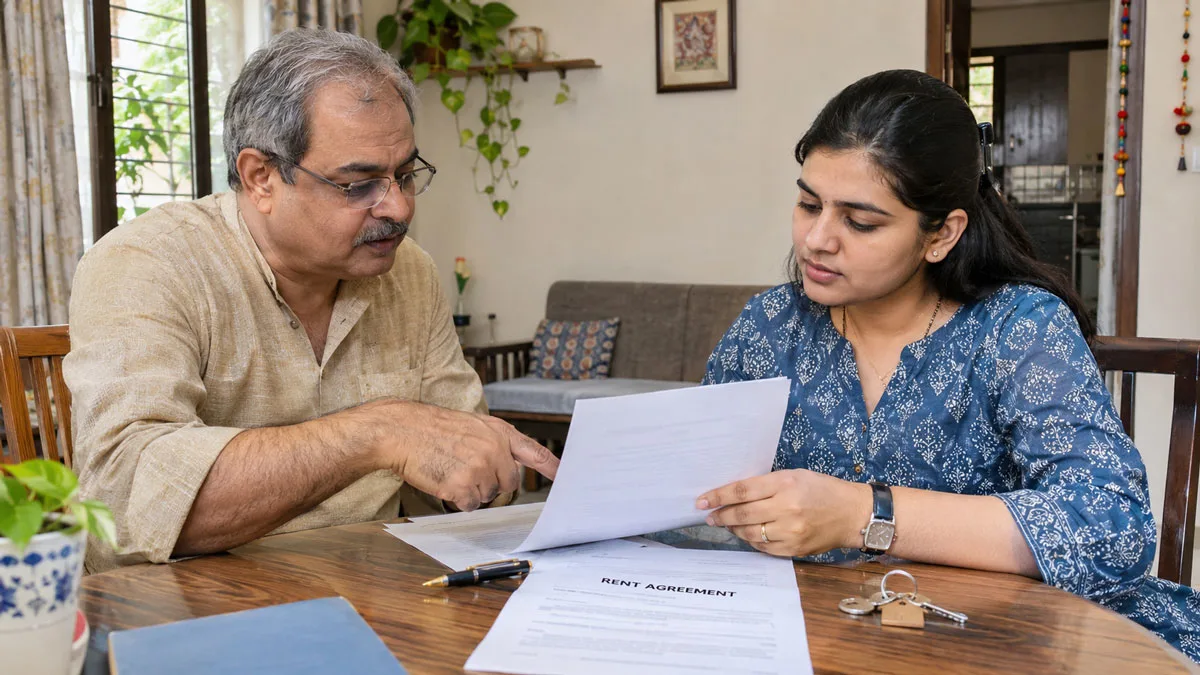
Found a room or flat and been offered an 11-month rent agreement? Before you pay the deposit, check what the agreement covers, how much stamp duty applies and whether you need to register it.
This guide covers residential rentals in Delhi, including New Ashok Nagar, and in Noida, Uttar Pradesh. The property’s address determines which local process to check.
Note: This is general information, not legal advice. Rules and charges can change. Please check the official sources linked below or speak to a local lawyer before signing.
What is a rent agreement and why do you need one?
A rent agreement, often called a kirayanama, is a written record of what the landlord and tenant have agreed: the property, rent, deposit, term and house rules.
A phone call or WhatsApp message is easy to forget. A clear signed agreement gives both sides something to refer to if there is a later question about the deposit, repairs, notice period or rent payment.
Why are most rent agreements for 11 months?
The usual reason is registration. Under section 17(1)(d) of the Registration Act, a lease from year to year, for a term exceeding one year or reserving a yearly rent generally requires registration. An 11-month fixed term with monthly rent generally falls outside those duration and payment triggers. Check the actual terms and local requirements before signing. In Noida, also check the separate Rent Authority filing.
- Choose a term that suits both parties. Check the registration requirements for the lease you intend to sign.
- If a document that needed registration is not registered, its use as evidence can be limited. For a long stay or a high-value arrangement, take local legal advice before signing.
Stamp paper, notary and registration are different things
Check each of these steps separately when preparing your agreement.
- Stamp duty: a government duty payable on the document. In Delhi, use authorised e-stamping channels; Delhi Revenue publishes official e-stamp vendor and bank information.
- Notarisation: a notary may authenticate or attest the document or signatures. It does not convert an agreement into a registered lease.
- Registration: the document is registered through the Sub-Registrar when registration is legally required.
How much is stamp duty in Delhi or Noida?
Do not rely on a random fixed amount online. The charge can depend on the state, the agreement term, the rent or other amount stated in the document, and any advance or premium. For example, the Delhi stamp schedule treats leases differently depending on the lease term and terms of payment.
- Delhi: use the Delhi Revenue Department’s registration and stamp-duty information, or confirm the amount with an authorised e-stamp provider before payment.
- Noida / Uttar Pradesh: use the official UP lease stamp-fee calculator or ask the Sub-Registrar office. Check registration fees separately where applicable.
Who pays? In Delhi, the Revenue Department FAQ says stamp duty on a lease/rent deed is payable by the lessee. Still, write clearly in the agreement who will arrange and pay each cost. For a Noida or other Uttar Pradesh agreement, confirm who is responsible with the local Sub-Registrar office.
Rent Authority filing in Noida
For premises covered by the Uttar Pradesh Regulation of Urban Premises Tenancy Act, 2021, section 4 requires a written agreement and joint intimation by the landlord and tenant to the Rent Authority within two months of the agreement date. Check whether the premises are covered and follow the First Schedule. This filing is separate from deed registration with the Sub-Registrar and from police verification. See the Uttar Pradesh tenancy Act, sections 3 and 4.
What should be written in a rent agreement?
Whether you prepare it yourself or use a lawyer or typist, make sure these practical points are written down.
- Full names, addresses and contact details of landlord and tenant
- Complete property address, including the floor or rooms covered
- Start date, end date, monthly rent and due date
- Security deposit, including what can be deducted and when the balance will be returned
- Notice period, lock-in period and agreed rent increase, if any
- Who pays electricity, water, maintenance, internet and other charges
- Meter reading and a list of fittings at move-in
- House rules on guests, pets, parking, cooking or subletting
- Repair responsibility, police verification and signatures of both sides and witnesses
Do not leave blank spaces that can be filled later. Both sides should keep a signed copy and note the condition of the home when moving in.
Police verification is separate
Check the police verification process for the property’s address. For Delhi, check the current instructions with the local Delhi Police station. For Noida, look for Tenant/PG Verification under Citizen Services on the Uttar Pradesh Police website. Read our Tenant Verification guide for landlords for the practical route.
Common mistakes to avoid
- Thinking a notary stamp makes every agreement “registered”
- Not stating when the deposit will be returned
- Paying cash without a receipt or bank/UPI record
- Skipping the move-in meter reading and inventory
- Agreeing to extra charges only verbally
- Sharing Aadhaar copies in public groups or without a clear purpose
Keep rent receipts and records
Keep the signed agreement, rent receipts and bank or UPI records together so both sides can check what was paid and when.
Ask the landlord to acknowledge each rent payment and retain the receipt alongside the transaction record.
Create a rent receipt on Rentsy
Use the free Rentsy rent receipt generator to prepare a print-ready receipt without an account. Ask the landlord to acknowledge payment and keep the transaction record alongside the receipt.
Before you sign: what to check and keep
Before you sign
Match the address, dates, rent and deposit against what you agreed. Write down permitted deductions, the refund deadline, notice and who pays for repairs and utilities. Confirm stamp duty and whether registration applies.
At signing and handover
Complete the applicable signing and registration formalities. Each side should keep a signed copy. Record the meter readings, fittings and condition of the property.
After signing
For covered Noida tenancies, file jointly with the Rent Authority within two months. Complete police verification where required and save acknowledgements and payment records.
Frequently asked questions
Is an 11-month rent agreement valid?
An 11-month agreement can be used for residential tenancies. Check the stamp duty and registration requirements for the actual terms. For covered premises in Noida, the Rent Authority filing also applies.
Does a 12-month rent agreement need registration?
A fixed 12-month term does not exceed one year. Registration can still be required if the lease runs from year to year, reserves yearly rent or another applicable rule requires it. Confirm the terms with the local Sub-Registrar.
Is notarisation enough for a rent agreement?
Check stamp duty and registration separately. A notary can attest signatures, while the Sub-Registrar handles deed registration.
Who pays stamp duty on a rent agreement?
Delhi Revenue’s property registration FAQ identifies the lessee (tenant) as the payer for a lease or rent deed. For Noida, confirm who is responsible with the local Sub-Registrar. Record who will arrange and pay each charge.
Do I need police verification if I have a rent agreement?
Complete tenant verification if required for the property’s address. Check the current process with the local police.
What if there is no written agreement?
It can be harder to show what both sides agreed about rent, deposit and notice. For premises covered by the Uttar Pradesh tenancy Act, a written agreement and Rent Authority filing are required.
Related reading on Rentsy
Tenant verification for landlords
Read the practical guide to checking tenant details and keeping verification records.
Cost of living in New Ashok Nagar
Budget for everyday expenses alongside rent before committing to a property.